


Court Facilities Tennis Court
The playing surface for tennis, classified by material into hard courts, grass courts, clay courts, etc. Each type has distinct ball speed and bounce characteristics, influencing gameplay styles and players' technical performance.
Net
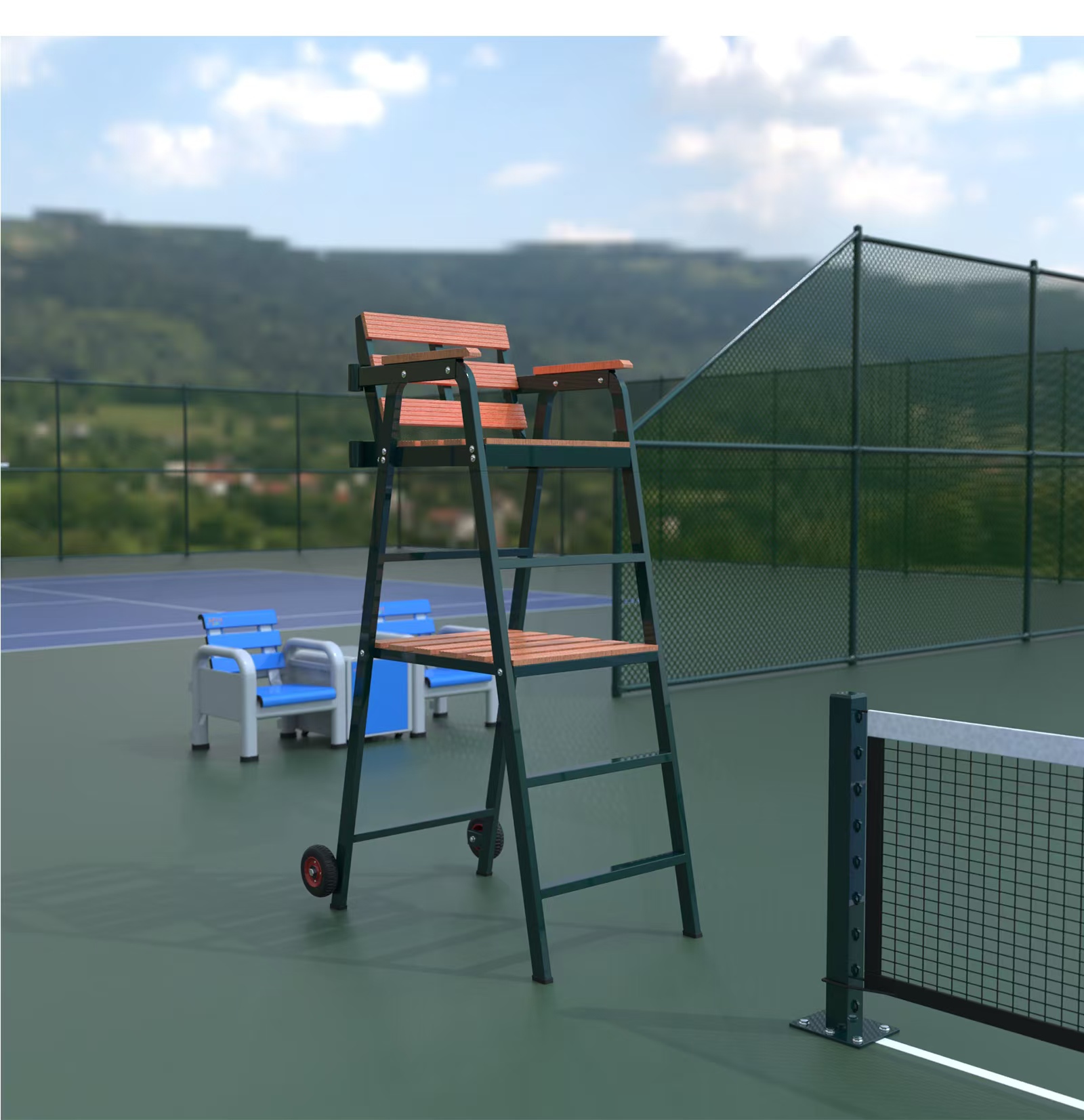
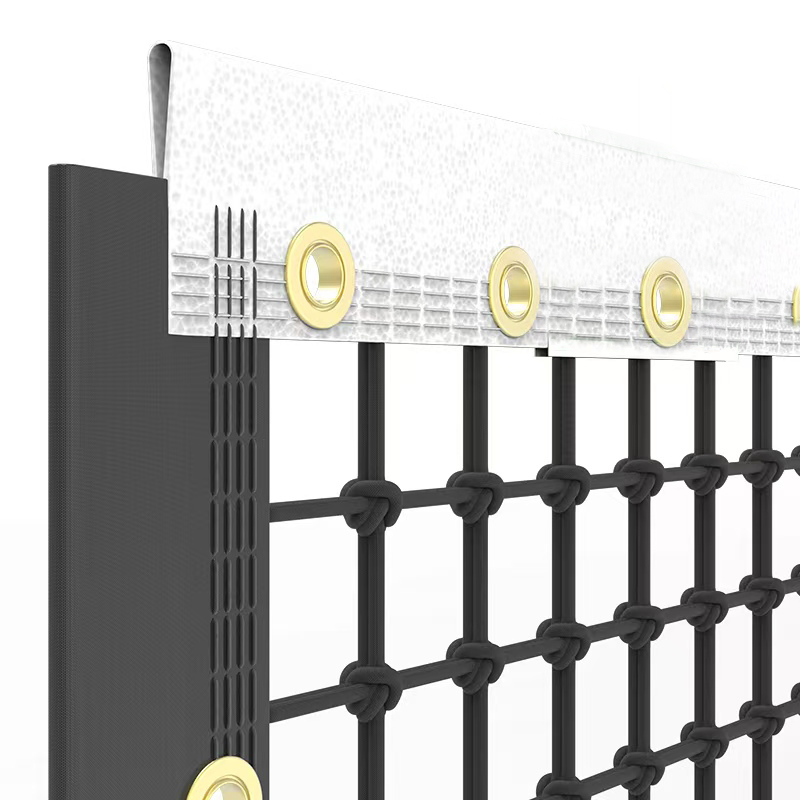
Positioned at the center of the court, dividing it into two halves. The ball must cross the net to score. Available in various sizes and materials, including standard competition nets and portable nets for practice.
Net-post
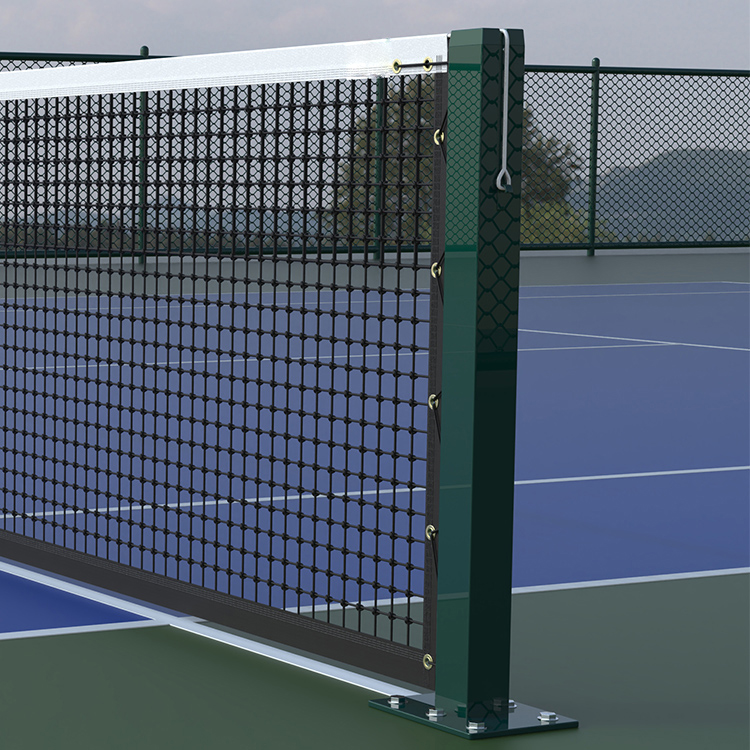
Posts supporting the net, usually placed on both sides of the court. They must be stable and meet height regulations to ensure proper net tension and positioning.
Singles Stick
Small posts used in singles matches to mark the singles sidelines, fixing the net within the required width for singles play.
Back and Side Stops
Installed around the court to block balls from flying out, protecting spectators and the environment while reducing ball loss and retrieval time.
Scoreboard
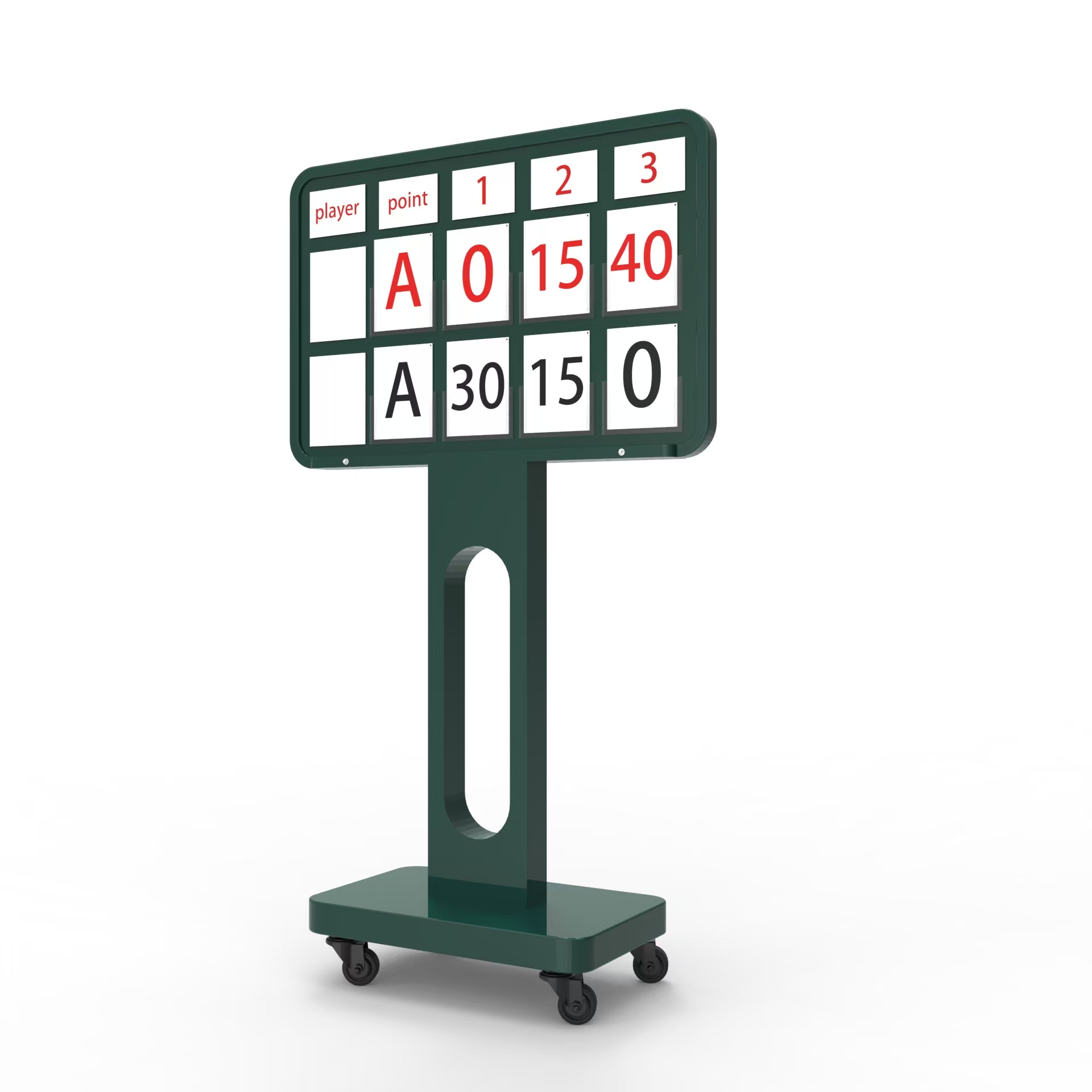
Displays match scores, games, sets, etc., for players, referees, and spectators. Types include manual and electronic scoreboards.
Training Equipment
Ball Machines
Devices that automatically launch tennis balls, adjustable for speed, spin, and landing position. They help players train alone to improve hitting skills and reaction speed.
Tennis Wall
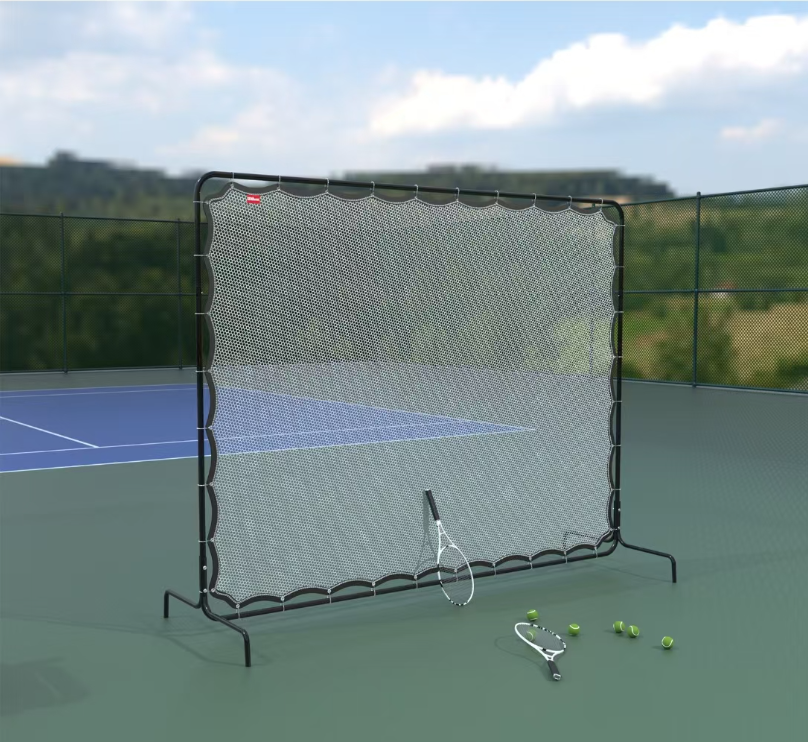
A vertical wall where players hit the ball, which rebounds for continuous practice. Used for solo training of hitting techniques, rhythm, and reaction speed, common in training grounds and schools.
Court Squeegee
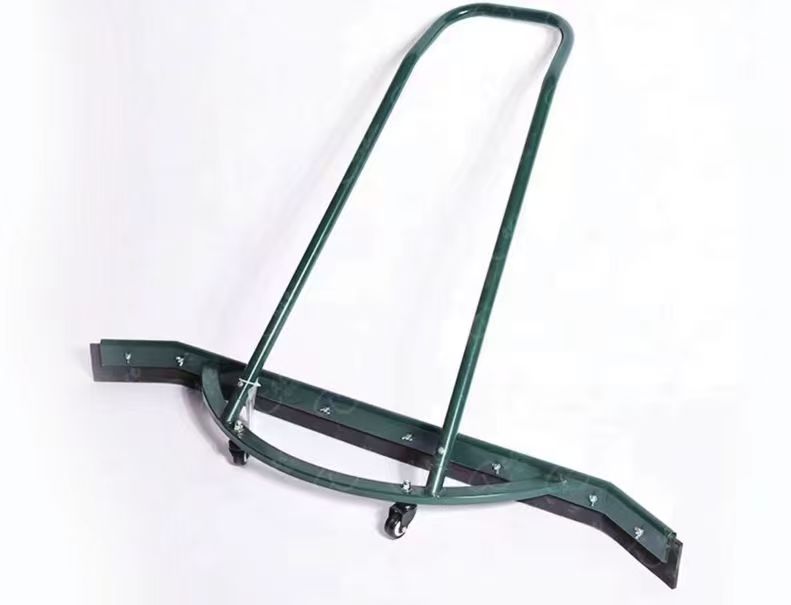
Used to clear water or debris from the court, keeping the surface dry and clean for safe play and training.
Player Equipment
Racket
The tool for hitting the ball, composed of frame, handle, and strings. Available in various materials, sizes, weights, and head sizes to suit players’ skill levels, strength, and preferences.
Ball
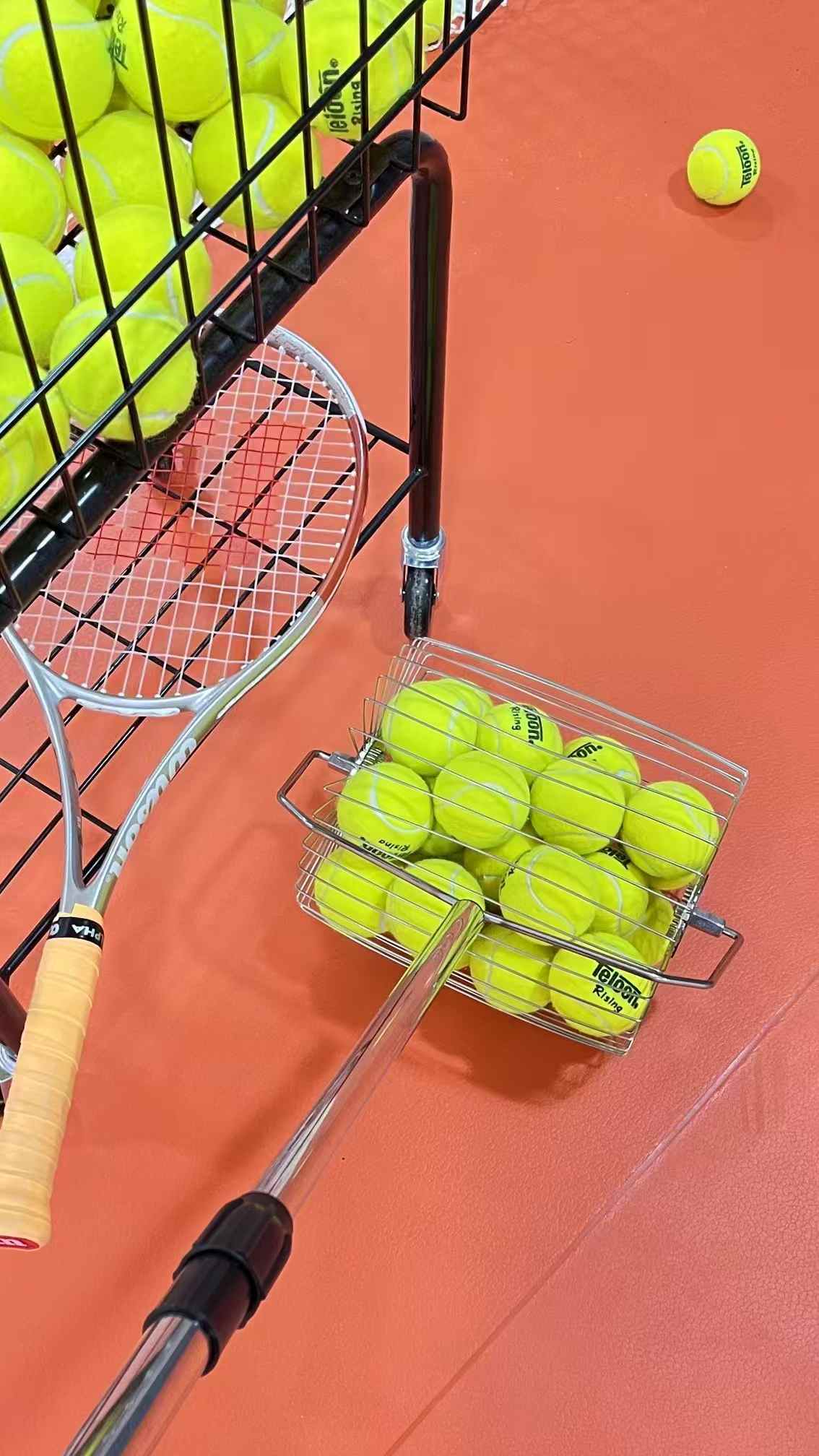
The ball used in tennis, typically yellow or white, with standard elasticity and weight. Types include pressurized and non-pressurized balls, suitable for different courts and comp
The playing surface for tennis, classified by material into hard courts, grass courts, clay courts, etc. Each type has distinct ball speed and bounce characteristics, influencing gameplay styles and players' technical performance.
Net
Positioned at the center of the court, dividing it into two halves. The ball must cross the net to score. Available in various sizes and materials, including standard competition nets and portable nets for practice.
Net-post
Posts supporting the net, usually placed on both sides of the court. They must be stable and meet height regulations to ensure proper net tension and positioning.
Singles Stick
Small posts used in singles matches to mark the singles sidelines, fixing the net within the required width for singles play.
Back and Side Stops
Installed around the court to block balls from flying out, protecting spectators and the environment while reducing ball loss and retrieval time.
Scoreboard
Displays match scores, games, sets, etc., for players, referees, and spectators. Types include manual and electronic scoreboards.
Training Equipment
Ball Machines
Devices that automatically launch tennis balls, adjustable for speed, spin, and landing position. They help players train alone to improve hitting skills and reaction speed.
Tennis Wall
A vertical wall where players hit the ball, which rebounds for continuous practice. Used for solo training of hitting techniques, rhythm, and reaction speed, common in training grounds and schools.
Court Squeegee
Used to clear water or debris from the court, keeping the surface dry and clean for safe play and training.
Player Equipment
Racket
The tool for hitting the ball, composed of frame, handle, and strings. Available in various materials, sizes, weights, and head sizes to suit players’ skill levels, strength, and preferences.
Ball
The ball used in tennis, typically yellow or white, with standard elasticity and weight. Types include pressurized and non-pressurized balls, suitable for different courts and comp